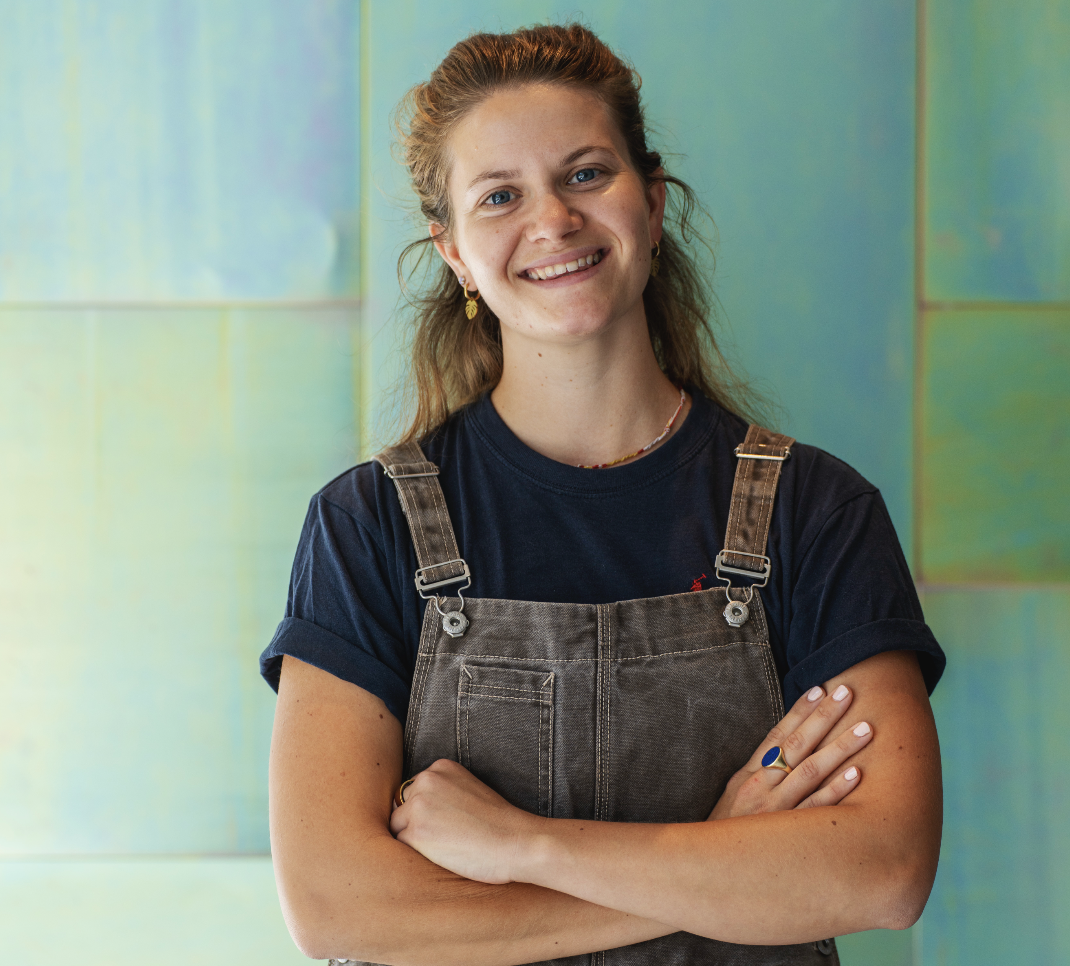
This Website
Overview
This website is a first straightforward repository for my academic and professional work. The different pages within it cover my primary activities and will grow organically as I do as well.
As just a baby scholar-maker, this is very much a work in progress. However, to me it is also progress at work, as before the course that led me to creating this, the thought of making a website quite literally raised my body temperature uncomfortably.
Below I go into a bit more detail about the different elements of the site and my approach to building it.
Content of this site
The ‘container site’ has six sub-pages, each with their own sub-pages depending on their purpose. The very fisrt site one lands on is usually the About Me page, in which I provide a snapshot of my academic and professional background, current projects and interests, and a bit of insight into who I am outside of the professional environment. My aim was to make the first page simple and light, as on the one hand, I wanted an approachable and skimmable first impression and on the other hand, as a young scholar, there is no long list of achievements to report (at least not traditionally academically valued achievements).
The second site I built was Publications, where I added a category for the magazines I’ve edited, as they are not peer-reviewed publications but rather sit at the intersection of academic and editorial work. Each work includes a description, recommended citation, direct link, and publisher information. I left space in the backend (?) of github to add journal articles and books, so if I pursue academic writing further I will be able to add it to the publications site easily.
The third site was the Blog Posts page, where I added my two most liked pieces I’ve written for my work at the Institute for Practical ekoPhilosophy. I added the photos to lend the blogposts more character, as they were originally written for substack and intended to have my voice and images to translate well.
The fourth site was my CV, which was luckily mostly hiccup-free as the template largely allowed me to simply replace what was there with my own information. By the time I reached this page, I’d also become situated in the github coding scene enough to navigate the pages and codes fluidly and with unfurrowed brows. I embedded some links and was even proud of having the publications peek out here as well.
The fifth and almost final site was the Talks pages, which was mercifully easy as I have only given one talk which I’d consider worth publishing online about.
The last page I’m building is this one, the portfolio site. Having a portfolio is still foreign to me, as that was always something reserved for artists, which I did not see myself as. I still don’t. But I see that I can make things now, often with trepidation, but with growing excitement. Which brings me to the final section of this page.
Takeaways and reflections of a recently spawned scholar-maker
Like what I am encouraging players to do in my one page RPG, much of this was a matter of getting uncomfortable for me. I’ve never considered myself a “gamer-girlie” or well-versed in the code languages, nor have I experimented with online games, zines, game design or development, or anything else we’ve seen in the course, really. The only thing I was familiar with were the e-books we read:’). As such, what seemed fun and maybe even easy to many of my classmates, felt very difficult to me. I didn’t really know the culture and language of this field, which was new to me. I’ve been in academia long enough to usually feel like I know the rules of the game. It was refreshing and intimidating. Thankfully, PB, you were so welcoming, humorous, and kind, that despite my hesitations I felt comfortable just trying and seeing where it got me. My aim in taking this course was to just get an idea of all the possibilities for alternative narration and creation of engagement, and I feel that that was very successful. I might not be proficient in making games and zines and blackout poetry, but I know it exists and where to go looking if I want to try again, and for that I am grateful. As someone who’s primary avenue of communication is written and spoken language, being able to change it up and access forms of meaning making and sharing that are different is very enriching.
In making things like the very first zine, which refused to be pretty or sensible or anything coherent at all, I was forced to just try
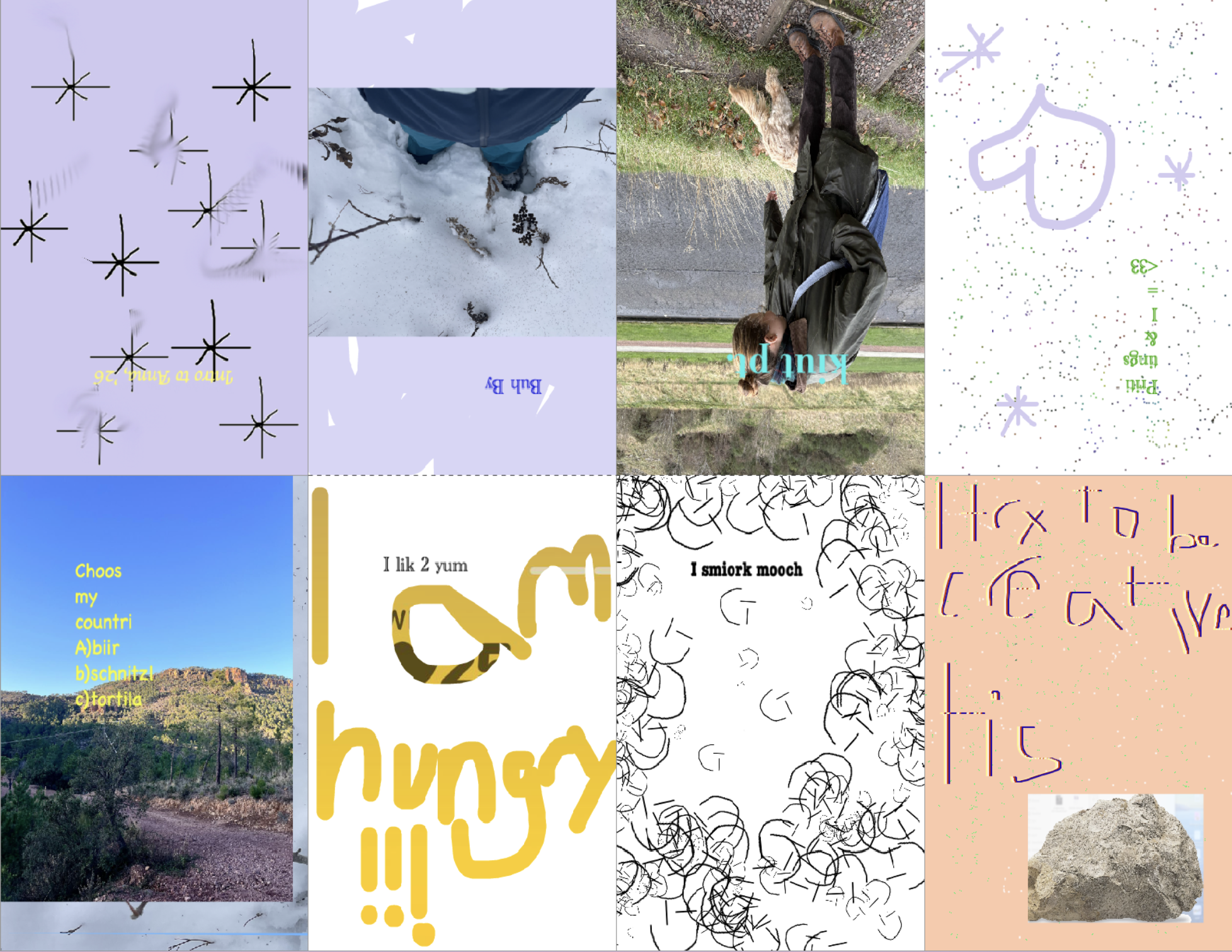
things and live with the unkemptness of the outcome. The readings and other games we played provided so much context, terminology, and many examples that opened my eyes to the many different formats and types of stories to be shared. So, what I am taking with me from the course and the making, is this: making things is integral to being a scholar (and a human). And though traditionally the things we make are articles and books, the work of being a scholar is learning and sharing what we learn, and the format should fit the matter, not the other way round. This might be very obvious, but it is eye-opening, and slightly tilting, for me. Actively leaning into works like games, poems, visual arts, and mixed media as forms of legitimate academic work still finds resistance, but when doing it the integration is so much deeper than black on white words often are. As someone deeply interested in making things practical, in the tangible and real rather than abstract theory, making things like the one page RPG, which genuinely engages people, is so so logical. And building a website which can grow with me and become a networked repository of what I’ve learned over the years is incredibly useful for myself and hopefully interesting to others. So as I get ready to end the course, the term, and also my brief time in Edmonton, I’m glad to have had the privilege to learn how to make things that speak to me, and how to read and analyse things others have made that have meaning for them.